Your Ultimate Guide to Moving to California's Central Coast

Moving to a new place can be both exciting and daunting, especially when that place is as beautiful and diverse as California's Central Coast. This region, known for its stunning coastline, charming towns, and vibrant culture, offers a unique lifestyle that many dream of. Whether you’re relocating for work, family, or simply a change of scenery, this guide will provide you with everything you need to know about making the Central Coast your new home.

Understanding the Central Coast
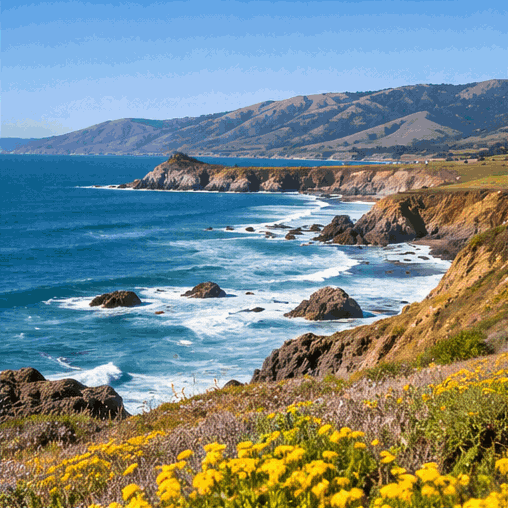
California's Central Coast stretches from Santa Cruz in the north to Ventura in the south, encompassing a variety of landscapes, climates, and communities. This region is characterized by:
Diverse Geography: From sandy beaches to rolling hills and vineyards, the Central Coast offers a mix of natural beauty.
Mild Climate: The weather is generally mild, with coastal areas experiencing cool summers and mild winters, making it an attractive destination year-round.
Rich Culture: The area is home to a blend of cultures, with influences from Native American, Spanish, and Mexican heritage.
Key Cities to Consider
When moving to the Central Coast, you’ll want to explore the various cities that each offer their own unique charm:
San Luis Obispo: Known for its vibrant downtown, farmers' markets, and the famous Hearst Castle nearby.
Santa Barbara: Often referred to as the "American Riviera," this city boasts stunning beaches, upscale shopping, and a rich arts scene.
Monterey: Famous for its aquarium and scenic 17-Mile Drive, Monterey is a haven for nature lovers and seafood enthusiasts.
Paso Robles: A growing wine region, Paso Robles is perfect for those who appreciate fine wines and a laid-back lifestyle.
The Cost of Living
One of the most important factors to consider when moving is the cost of living. The Central Coast can be more expensive than other regions in California, but it varies by city:
Housing: Expect to pay a premium for homes, especially in Santa Barbara and Monterey. Renting a one-bedroom apartment can range from $1,500 to $3,000 depending on the location.
Utilities: Utility costs are generally in line with California averages, but be prepared for higher water and electricity bills during the summer months.
Groceries and Dining: While grocery prices can be higher, the abundance of local farmers' markets can help you save on fresh produce.
Tips for Finding Affordable Housing
Research Neighborhoods: Look for up-and-coming neighborhoods that may offer more affordable options.
Consider Shared Living: Renting with roommates can significantly reduce costs.
Explore Different Types of Housing: Look into apartments, condos, and even mobile homes for more budget-friendly options.
Employment Opportunities
The Central Coast has a diverse economy with opportunities in various sectors:
Tourism and Hospitality: With its beautiful landscapes and attractions, tourism is a major industry. Jobs in hotels, restaurants, and attractions are plentiful.
Agriculture: The region is known for its agriculture, particularly in wine production and organic farming.
Education and Healthcare: With several universities and hospitals, there are opportunities in education and healthcare sectors.
Job Search Resources
Local Job Boards: Websites like SLO Jobs and Santa Barbara Job Listings can help you find local opportunities.
Networking: Attend local events and join community groups to meet potential employers and learn about job openings.
LinkedIn: Use LinkedIn to connect with local professionals and explore job postings.
Education and Schools
If you have children, education will be a top priority. The Central Coast offers a range of educational options:
Public Schools: Many districts have strong reputations, particularly in areas like San Luis Obispo and Santa Barbara.
Private Schools: There are numerous private and charter schools available, offering alternative educational approaches.
Higher Education: The region is home to several colleges and universities, including California Polytechnic State University and the University of California, Santa Barbara.
Choosing the Right School
Research Ratings: Websites like GreatSchools can provide insights into school ratings and reviews.
Visit Schools: Take the time to visit potential schools and meet with teachers and administrators.
Consider Programs: Look for schools that offer programs that align with your child’s interests and needs.
Outdoor Activities and Lifestyle
One of the biggest draws of the Central Coast is its outdoor lifestyle. The region offers a plethora of activities for nature lovers and adventure seekers:
Hiking and Biking: Explore trails in places like Montana de Oro State Park and the Los Padres National Forest.
Beaches: Enjoy the sun and surf at popular spots like Pismo Beach and Avila Beach.
Wine Tasting: Visit local wineries in Paso Robles and Santa Barbara for tastings and tours.
Embracing the Local Culture
Farmers' Markets: Many towns host weekly farmers' markets where you can buy fresh produce and local goods.
Festivals and Events: Participate in local festivals, such as the San Luis Obispo Film Festival or the Santa Barbara International Film Festival.
Art and Music: Check out local galleries and music venues for a taste of the vibrant arts scene.
Transportation Options
Getting around the Central Coast can vary depending on where you live:
Driving: Most residents rely on cars for transportation. The region is well-connected by highways, but traffic can be heavy during peak tourist seasons.
Public Transit: There are bus services available, such as the SLO Transit and Santa Barbara Metropolitan Transit District, but they may not be as extensive as in larger cities.
Biking: Many towns are bike-friendly, with dedicated bike lanes and trails.
Tips for Navigating the Area
Plan Your Routes: Use apps like Google Maps to find the best routes and avoid traffic.
Explore Alternative Transportation: Consider carpooling or using rideshare services when possible.
Stay Informed: Keep an eye on local traffic reports, especially during tourist seasons.
Making Friends and Building Community
Moving to a new place can feel isolating, but there are plenty of ways to meet new people and build a sense of community:
Join Local Clubs: Look for clubs or groups that align with your interests, such as hiking, book clubs, or sports teams.
Volunteer: Get involved with local charities or organizations to meet like-minded individuals.
Attend Community Events: Participate in local events, such as festivals or farmers' markets, to connect with residents.
Online Resources
Meetup: Use Meetup.com to find groups and events in your area.
Facebook Groups: Join local Facebook groups to stay updated on community happenings and connect with residents.
Final Thoughts
Moving to California's Central Coast is an exciting adventure filled with opportunities for growth, exploration, and community. By understanding the local culture, job market, and lifestyle, you can make a smooth transition to your new home. Embrace the beauty of the region, connect with your neighbors, and enjoy all that this stunning area has to offer.
As you prepare for your move, remember to stay organized, keep an open mind, and take the time to explore your new surroundings. The Central Coast is waiting for you, and it’s sure to become a cherished part of your life.


Comments